
Reusable surgical instruments are designed to be cleaned, sterilised and used again for years. How long they last depends on three things: the steel, the finish and how they are reprocessed. This guide explains each one for hospital buyers, distributors and clinics.
1. The steel
Surgical instruments are made from stainless steel that meets international standards such as ISO 7153-1. Two families are used:
- Martensitic stainless steel (for example AISI 410 and 420, or German 1.4021 and 1.4034) can be hardened. It is used for instruments that cut or grip: scissors, forceps, needle holders and clamps.
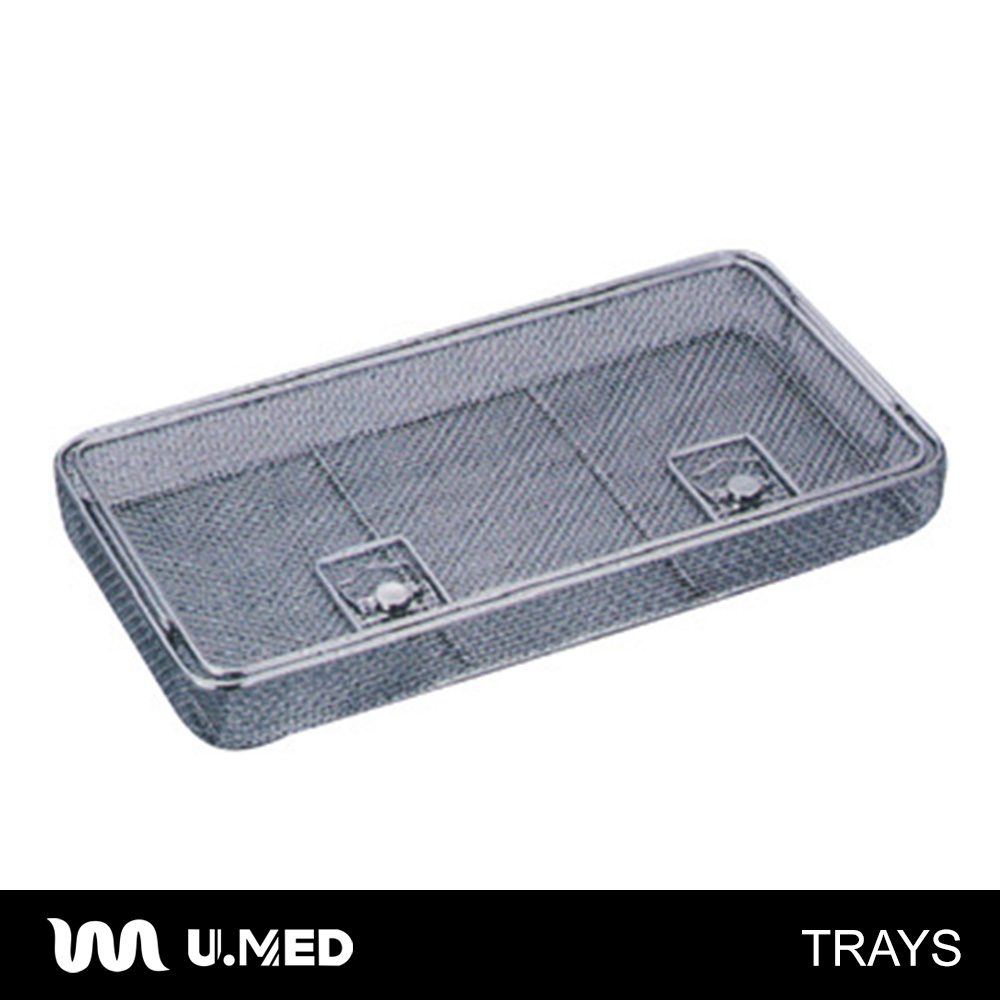
- Austenitic stainless steel (for example AISI 304 and 316) cannot be hardened but resists corrosion very well. It is used for retractors, bowls, trays and other holloware.
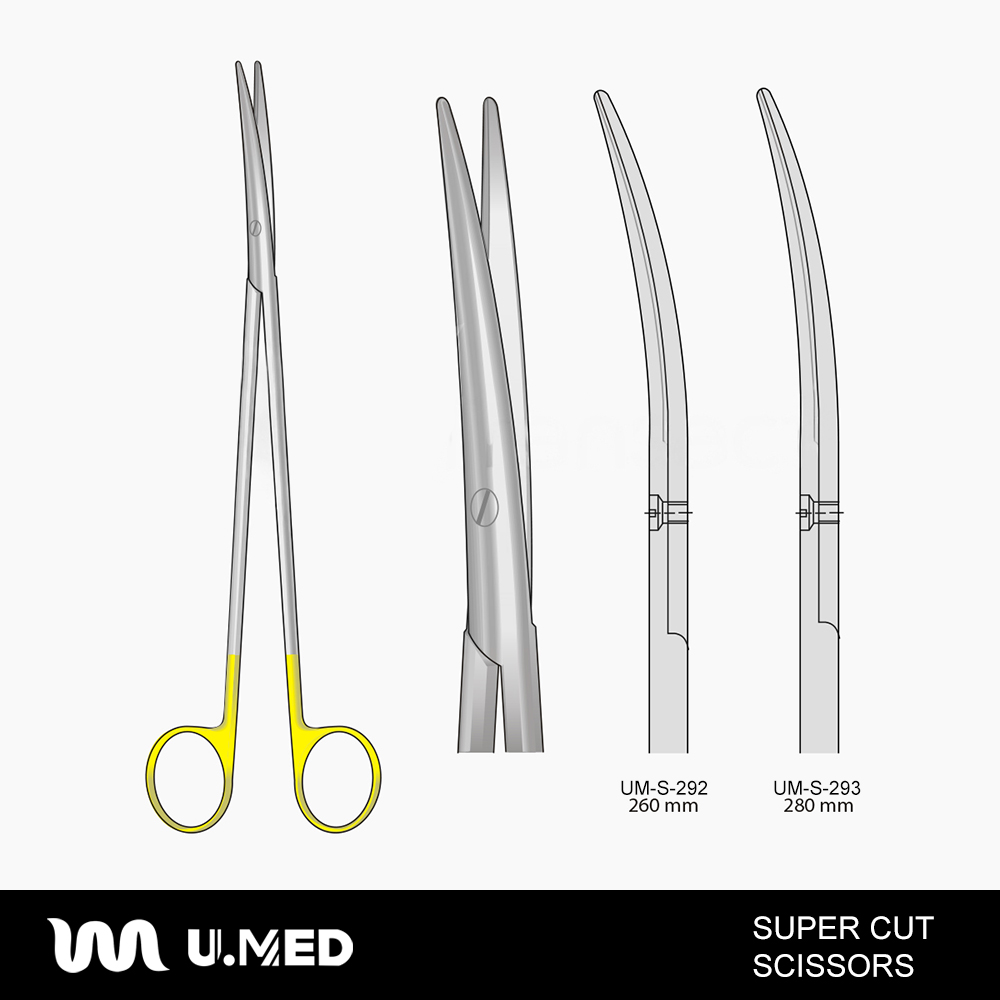
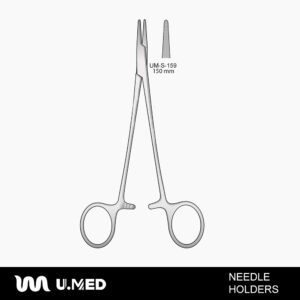
Many needle holders and scissors also have tungsten carbide inserts in the jaws or blades for longer life. They are usually recognised by gold-coloured handles.
2. The finish
| Finish | Look | Why it is used |
|---|---|---|
| Satin / matte | Dull, non-reflective | Reduces glare under operating-room lights; the most common finish |
| Mirror | Bright, polished | Smooth, easy-to-clean surface; common on holloware and some instruments |
| Black / coated | Dark coating | No glare; used in some micro and laser surgery instruments |
After finishing, good manufacturers passivate instruments: a chemical treatment that strengthens the natural chromium-oxide layer that protects stainless steel from rust.
3. Reprocessing and sterilisation
Follow the instrument manufacturer’s instructions and your facility’s validated procedures. A typical cycle is:
- Point-of-use care: remove blood and debris straight after use; do not let soil dry on
- Cleaning: manual or automated washing, often with an ultrasonic cleaner, using neutral or mildly alkaline detergent
- Rinsing and drying: ideally with demineralised water to avoid spots and stains
- Inspection: check tips, ratchets, joints and cutting edges
- Lubrication: apply water-soluble instrument lubricant to hinges and box locks
- Packaging and steam sterilisation: in an autoclave, using a validated cycle (for example 134 °C)
What shortens an instrument’s life
- Leaving blood or saline to dry on the surface
- Chlorine bleach and other aggressive chemicals
- Hard tap water, which leaves spots and can start pitting
- Storing instruments damp, or mixing stainless with damaged or rusty instruments
- Using delicate instruments for jobs they were not designed for
Reusable surgical instruments from U.Med Instruments Co.
U.Med Instruments Co. manufactures reusable surgical, dental and hospital instruments in surgical-grade stainless steel, in our ISO 9001 and ISO 13485 certified factory in Sialkot, Pakistan. Our products carry CE marking, and we supply distributors, clinics and medical brands in the USA, UK, Europe, the Middle East and South America. Private label is available, and the MOQ is 500 pieces per order, mixed across products.
Browse the range or ask for a quote on WhatsApp +92 301 8111268 or at info@umedinstruments.com.




Leave a reply